Your Leading Haihong Enterprise Supplier


"Haihong Enterprise" was founded in 2004, a large enterprise of landscape which set the planning, design, development, production, sales, installation and service as a whole(we have our own right to export), there are: "Shanghai Yongzhou Haihong Arts&Crafts Co., Ltd. ", "Guangzhou Haihong Landscape Engineering Co., Ltd. ", " Guangzhou Baiyun District Haihong Artificial Plant factory ", "Yongzhou Haihong Artificial Plant factory ", "HongKong Haihong Arts&Crafts Co., Ltd. "etc under Haihong Enterprise.

Haihong Enterprise has an excellent design team, the market information is our development foundation, to consider the views of customers seriously, we organize field trips to domestic and foreign large rain forest region, and constantly develop good and inexpensive selling products. Currently,our market ranked at the top of the industry, has an record of more than 3,000 impressive project cases.

In the domestic, there are Chinese World Expo Pavilion and China Pavilion, China Guangzhou Asian Games, Shanghai Disneyland, The Happy Valley, Hengda Real Estate Group, the WTO Real Estate Group, the new world of shopping malls, Asia's largest airport in Guangzhou-Baiyun International Airport, Shanghai Pudong International Airport, the Sheraton Hotel Group, Howard Johnson International Hotel Group, the world's largest single building 2013 global "Fortune" Forum, the world's largest single building-Chengdu Global Center, Dalian Xiangzhou Hot Springs Park Water Park and and Xi 'an water rubik's cube.

In the world, there are African Union conference center , the world's largest shopping mall-Dubai Mall, the largest shopping mall in India SHREE BALAJI AGORA MALL, the world's largest theme park in Dubai-the city of Arabia, ,Kobe seafront waterpark, Vietnam's largest water park, South Korea Gyeongju waterpark, Korea Pyongyang 100th anniversary of the museum and the Australian seaside resort and a series of artificial landscape project.


Why Choose Us
 
01/

High quality
Our products are manufactured or executed to very high standards, using the finest materials and manufacturing processes.

02/

Competitive Price
We offering a higher-quality product or service at an equivalent price. As a result we have a growing and loyal customer base.

03/

Rich experience
Our company has many years of production work experience. The concept of customer-oriented and win-win cooperation makes the company more mature and stronger.

04/

Global shipping
Our products support global shipping and the logistics system is complete, so our customers are all over the world.

05/

After-sale service
Professional and thoughtful after -sales team, let you worry about us after -sales Intimate service, strong after -sales team support.

06/

Advanced equipment
A machine, tool or instrument designed with advanced technology and functionality to perform highly specific tasks with greater precision, efficiency and reliability.

Artificial Pine Tree


What is Artificial Plant Wall

An artificial plant wall is a design form that combines the advantages of natural and green plants, it can be called a fake green wall, artificial vertical garden, or faux plant wall as well.

Green walls can be crafted from either natural or artificial plants. Unlike real plants, artificial ones eliminate the need for water and time-consuming growth, achieving an instant beauty. The robust backing of the faux green wall effortlessly attaches to vertical surfaces. Typically assembled in sections, each panel is secured to your wall surface using screws, nail plugs, or cable ties, depending on the characteristics of your chosen surface.


Benefits of Artificial Plant Wall


1.Low maintenance: Unlike live plants, artificial plant wall require minimal upkeep. They don’t need watering, fertilizing, or pruning, saving you time and effort.

2.Cost-effective: Artificial plant walls are a cost-effective alternative to live plants. They eliminate the need for ongoing maintenance and replacement, reducing long-term expenses.

 
03
 

Versatility

Artificial plant walls can be installed both indoors and outdoors, making them suitable for a wide range of spaces. Whether you want to enhance your living room or revamp your office lobby, there’s a green wall option for you.

 
04
 

Year-round beauty

Live plants can be affected by seasonal changes and require specific conditions to thrive. Artificial plant walls, on the other hand, maintain their beauty all year round, regardless of the weather or lighting conditions.

 
05
 

Customization

With artificial plant walls, you have the freedom to create a design that suits your style and preferences. Choose from a variety of plant types, colors, and arrangements to achieve the desired look for your space.

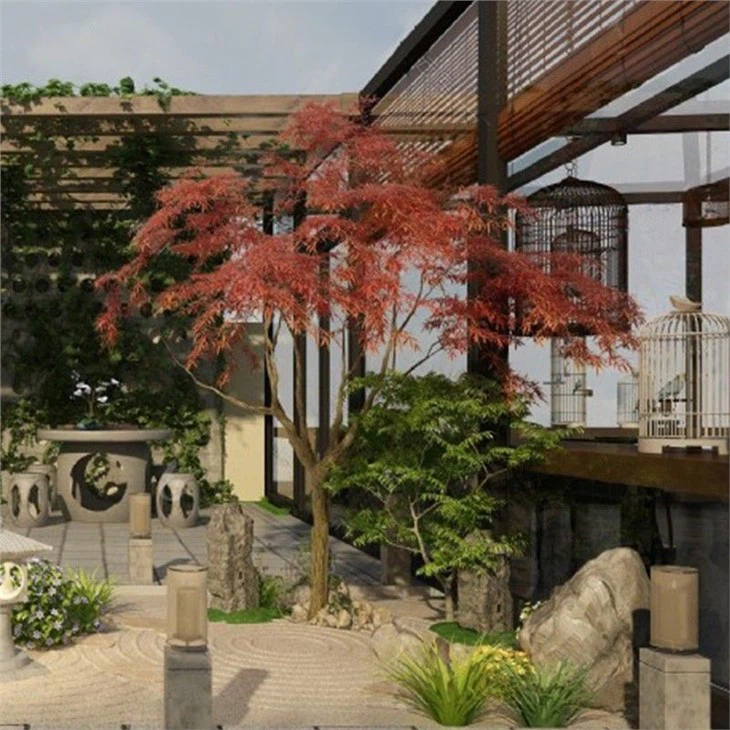
Artificial Janpanese Red Maple Tree


Types of Artificial Plant Wall


Artificial Janpanese Red Maple Tree


01

Boxwood panels

Boxwood panels are a classic choice for artificial green walls. They feature densely packed leaves that closely resemble the boxwood plant. These panels provide a lush and vibrant backdrop for any space, adding a touch of elegance and sophistication.

Artificial Janpanese Maple Tree


02

Fern mixed panels

Fern mixed panels offer a more organic and natural look. They combine different types of ferns to create a visually interesting and textured green wall. Fern mixed panels are perfect for spaces that aim to create a calming and serene atmosphere.

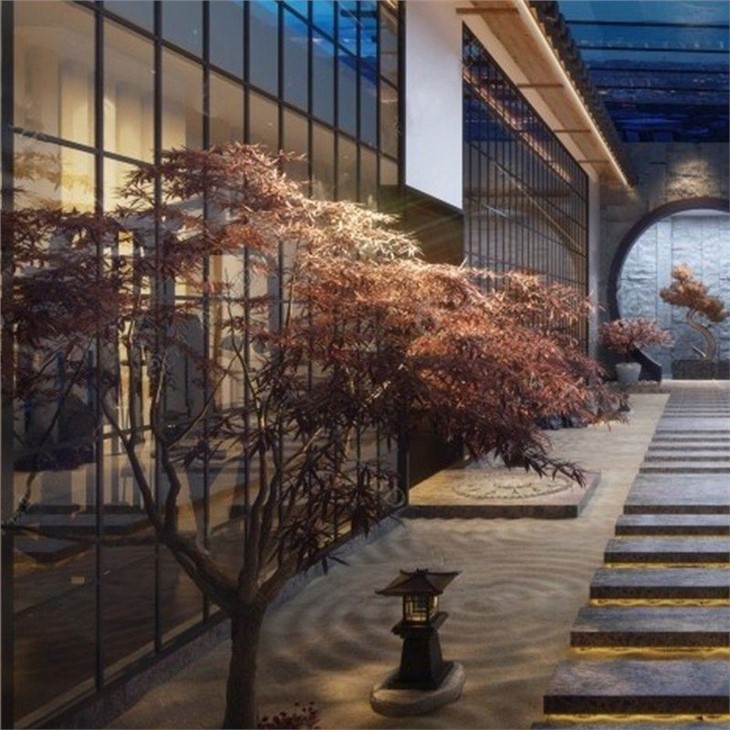
Artificial Janpanese Red Maple Tree


03

Lavender field panels

Lavender field panels bring the beauty and fragrance of lavender into your space. These panels feature realistic lavender blooms and foliage, creating a serene and relaxing ambiance reminiscent of a lavender field.

Faux WEEPING WILLOW TREE


04

Evergreen discs

Evergreen discs are a unique and eye-catching option for artificial green walls. They feature circular panels that can be arranged in various patterns to create a stunning focal point. Evergreen discs are perfect for adding a contemporary and artistic touch to any space.


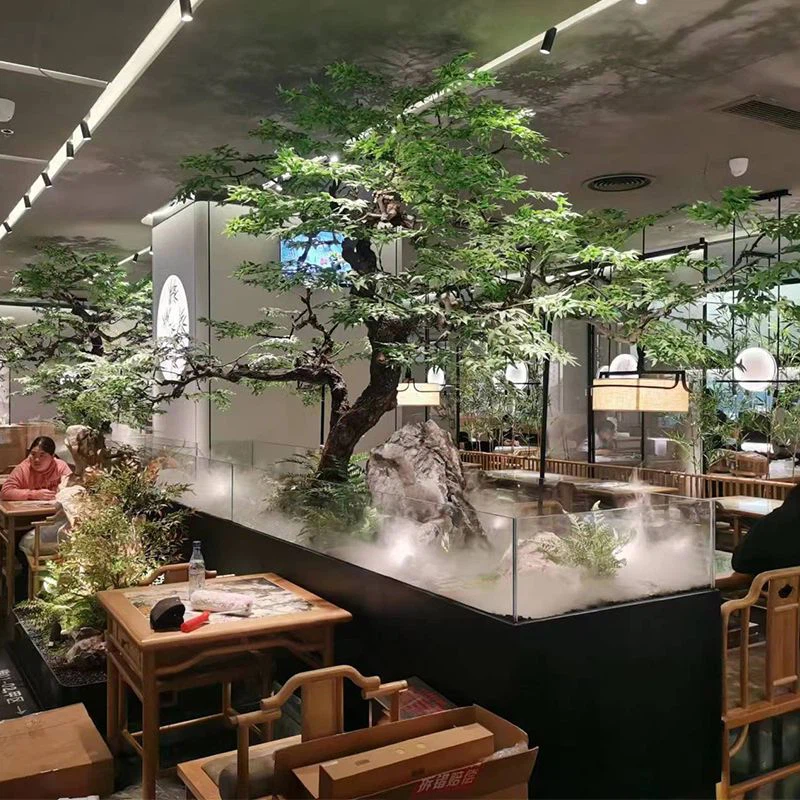
Artificial Pine Tree


Application of Artificial Plant Wall

Terraces: Liven any environment with an artificial plant wall terrace. A green terrace wall will make a calming addition to a hospital, office, hotel, or restaurant.

Privacy: Faux plant walls make tremendous privacy walls for outdoor patios, restaurants, and homes. Artificial plant privacy walls are majestic and will get your guests talking.

Accent walls: Faux plant walls are a terrific alternative to art or blank walls for your home or business. They can be easily transported when you move.

Venues and stores: If you run an entertainment venue or store, consider an artificial plant wall to add a modern design element. They make for exciting photo backdrops. Remember that they require so little maintenance that you don’t have to worry about adding a time-consuming chore to your plate.


Material of Artificial Plant Wall

Interior design standards should always be customized, and incorporating an artificial living wall into space is no exception to that rule. There are various materials used to make an artificial living wall ranging from plastic and paper to silk or even metals!

The highest quality artificial living walls are crafted using synthetic materials that are UV-resistant. That reduces fading over time and keeps the surface looking authentic and fresh.

The backing on artificial living walls is sturdy and easy to attach to vertical surfaces. In many cases, each panel uses a frame fabricated from either steel or plastic.

Interior Artificial Black Olive Tree


Process of Artificial Plant Wall
 
01/

Site survey & preparation
It is necessary to ensure that you take preventive measures for safe installation

  • Measure your space (multiply length x width to calculate square feet required) and order enough panels to cover the wall or fence you seek to beautify.
  • Mark up the area you wish to start and finish on the wall or fence.
  • Ensure that the area you are installing the fake green wall does not obstruct any switch-boards or important access points.
  • If you are renting you may consider using adhesive hooks instead.
  • Avoid installing artificial green walls near sources of open flames. While our artificial green walls are made from fire-tested materials, this step helps prevent damage
02/

Install your first panel
Hold up your green wall panel and attach the panel starting in the top corner and proceed to add a fixing every 10-15inches.

Depending on the surface you will need to attach slightly differently.

●Timer, plaster / stucco, mdf or plastic fences / walls
Simply staple the panels to the wall/fence (gripping the backing mesh to the wall or fence)

●Brick, concrete, masonry or stone fences / walls
A: Drill your hole adjacent to the backing mesh.
B: Place the plug into the wall whilst holding the vertical garden panel against the wall
C: Hammer or insert the wall fixing whilst ensuring the head of the fixing grips the panel against the wall

●Mesh, tubular or railing fences / walls
A: Push a cable tie through the vertical garden panel and loop it back around through the head of the cable tie and pull tight.

B: Cut off the excess end of the cable tie.

03/

Firmly secure the panel
Proceed to attach a fixing every 10-15 inches per vertical garden panel (around 12 per panel). Less can be used in areas not subject to strong winds.

04/

Secure the second panel
Using the holes and lugs along the panel you should now join the second panel (and subsequent panels) to the first panel.

05/

Continue the same process
Follow the above steps to secure remaining panels. You may need to cut the last vertical garden panel to accommodate, and to ensure the wall is completely filled.

If your wall is smaller than a full panel you can simply cut the excess off the vertical garden panel using scissors by cutting along the backing mesh.

06/

Ruffle the foliage
Once all your vertical garden panels are installed you can proceed to lightly fluff the panels as sometimes when unboxing them they may have been tightly packed inside.


How to Maintain Artificial Plant Wall
1

Dusting

Regularly dust the leaves and foliage of your green wall panels to remove any accumulated dust or dirt. Use a soft cloth or a feather duster to gently wipe the surfaces. Avoid using harsh chemicals or abrasive materials that may damage the panels.

2

Cleaning

If your green wall panels become dirty or stained, clean them with a mild soap and water solution. Use a soft cloth or sponge to gently scrub the surfaces. Rinse with clean water and allow the panels to air dry completely before reattaching them to the wall.

3

UV protection

If your green wall is exposed to direct sunlight, consider applying a UV-protected wall. This will help prevent fading and damage caused by prolonged sun exposure. Follow the manufacturer’s instructions for the specific product you choose.

4

Inspections

Regularly inspect your green wall panels for any signs of damage or wear. Check for loose or missing leaves, broken stems, or any other issues that may affect the overall appearance. Replace or repair any damaged panels as needed.


Influential Factors in Artificial Living Wall Costs


Style and detail
More style and more intricacies are associated with increased costs. The investment in time, effort, and materials for crafting an artificial plants wall varies across different styles. Furthermore, the desired density and lushness of your artificial green wall panel also impact the overall cost.

Individual items required in the foliage
The construction of a fake living wall or a flower backdrop involves assembling various types of plant items, including diverse shades and types of leaves and flowers. The specific elements you select for crafting your foliage or arrangement have a considerable impact on the overall costs. Opting for a distinctive flower with intricate details, which may necessitate custom production to align with your preferences, can also elevate the expenses associated with the desired wall creation.

UV-Protection
Keep in mind that a faux greenery wall is a one-time investment if done right. Opting for a UV-stabilized product directly influences the durability and longevity of the item. Whether you choose to install UV-resistant garden wall panels indoors or outdoors, the quality of the product plays a pivotal role. Conversely, a low-quality, inexpensive product is prone to cracking rapidly, particularly if exposed to outdoor elements.

Material
The more realistic a faux flower or plant appears, the higher its cost will be. This is attributed to the quality of the material utilized in the production of artificial plants. For instance, an artificial flower crafted from foam or inexpensive plastic is considerably more affordable than one composed of silk, satin, polyester, or high-grade polyethylene. Products made from superior materials also require skilled expertise to achieve botanical accuracy, contributing to their higher cost.


Artificial Black Olive Trees For Hall


How to Choose an Artificial Plant Wall

Artificial walls play a crucial role in both indoor and outdoor decoration, adding a unique aesthetic to spaces. When selecting fake green wall for indoor decor, attention should be paid to coordinating with the home style, color scheme, and wall dimensions to create a harmonious and pleasant atmosphere.

Additionally, using artificial green wall panels made from environmentally friendly materials not only enhances aesthetics but also contributes to reducing negative environmental impact.

In outdoor environments, the durability of faux plant walls is paramount due to exposure to natural elements. Choose artificial wall panels with UV-resistant properties to prevent fading, brittleness, and loss of gloss.

While the initial investment may be relatively high, in the long run, UV-resistant green walls prove to be more cost-effective and sustainable, avoiding the additional costs and hassle of frequent replacements.


Our Factory

Currently Haihong enterprise covering a total area of over 80,000 square meters, there are more than one thousand total staffs, own the total assets over 250 million yuan, have customers from more than 100 countries and regions around the world. Haihong enterprise is mainly developed to the design, manufacturing and installation of artificial landscape and garden, professional development and production of large-scale artificial trees and decorative silk pants, made exclusively for Hotels, Malls ,Water Parks and Theme Parks,Building, Republic Space,Government, Casinos, Office, Restaurants, and Commercial projects.

productcate-1200-1200


FAQ
 

Q: How do you attach fake plants to the wall?

A: Gyprock/Plasterboard - Fix directly to the wall with 20mm metal screws with a good thread. Timber - Use simple timber screws with a large head for more coverage. Stone wall - Use nylon nail plugs and hammer the panels in place. Concrete - Use nylon nail plugs.

Q: How do you install artificial garden walls?

A: Step 1: Hold the panel up (make sure it is straight) and move the foliage back to expose the backing mesh.
Step 2: Staple either side of the plastic mesh up the top, on one end.
Step 3: Staple either side of the plastic mesh up the top, on the other end.
Step 4: Continue placing more staples across the panel.

Q: How do plant walls work?

A: Green walls are vertical structures that have different types of plants or other greenery attached to them. The greenery is often planted in a growth medium consisting of soil, stone, or water. Because the walls have living plants in them, they usually feature built-in irrigation systems.

Q: How are fake plants made?

A: Artisans use natural dyes and pigments to recreate the vibrant colors of living plants. Then, they incorporate wires or plastic/wood bases for structural support. But this lifelike appearance demands a bit more TLC, including regular dusting and fabric protector application to keep them looking fit as a fiddle.

Q: How long do artificial green walls last?

A: Indoors, an artificial green wall can last for 10 years, or as long as you want them in place. If you're using them outside, the sun, wind, rain and other weather will reduce their lifespan. Most of our artificial living wall products will last for at least 3 years outside in the UK.

Q: What do you call a plant wall?

A: Living plant walls are also often called green walls as they were the first type of green wall created. Living Walls are a structure that holds smaller plants on a vertical wall that generally has an integral irrigation system included in it.

Q: What is the best material for fake plants?

A: High-quality artificial plants are predominantly crafted from plastic due to its durability, realistic texture, and ability to closely replicate the appearance of real plants.

Q: What are artificial green walls made of?

A: Many artificial green walls are made from polyethylene. There are also those that are made from silk, although these are limited to indoor use. Good quality artificial plants will also have a metal wire inside the plant stem for rigidity and longevity. The green wall panel backing is usually either plastic or metal.

Q: How long does it take to install a green wall?

A: Approximately four hours
The installation time itself varies depending on the size of your vertical garden, and whether or not you have a professional team doing the work. However, on average it takes one person approximately four hours to install an 86 sqft green wall.

Q: How do you maintain an artificial green wall?

A: Dusting and Cleaning: A Fresh Start
Begin by dusting the leaves with a soft, dry cloth or a feather duster. For more thorough cleaning, use a slightly damp cloth to wipe away accumulated dust. This simple step restores the freshness of your faux greenery, maintaining its lifelike appearance.

Q: Are plant walls hard to maintain?

A: Living walls, though lush and exceptionally pleasing to the eye, are complex and costly to maintain. They require a green thumb and considerable time investments. While live vertical gardens need nominal soil substrate, there is the issue of proper lighting, routine irrigation, fertilization, and pruning.

Q: What is the cheapest type of garden wall?

A: Poured concrete is the cheapest type of retaining wall, in terms of materials. Pressure-treated pine is next, and wood retaining walls are becoming more popular now. If you prefer stone, granite is generally the least expensive option.

Q: What color goes with a green accent wall?

A: Soft, pastel shades of blue or purple can create a peaceful and calming environment that pairs well with light green or white walls. Neutral tones such as beige, cream, or gray can also be compatible with light green or white walls, creating a cozy and inviting feel to the room.

Q: What is the cheapest way to build an interior wall?

A: Drywall is the most common material for walls, consisting of boards made from material bonded to a gypsum plaster core. The price of building drywall runs between $1.50 to $3 per square foot. A typical panel is 4 feet by 8 feet or 32 square feet. Framing interior walls with drywall costs $20 to $30 per linear foot.

Q: How long do artificial green walls last?

A: Indoors, an artificial green wall can last for 10 years, or as long as you want them in place. If you're using them outside, the sun, wind, rain and other weather will reduce their lifespan. Most of our artificial living wall products will last for at least 3 years outside in the UK.

Q: What is the difference between a green wall and a living wall?

A: Primary Types of Green Walls
Living plant walls are also often called green walls as they were the first type of green wall created. Living Walls are a structure that holds smaller plants on a vertical wall that generally has an integral irrigation system included in it.

Q: What is the difference between a green wall and a green façade?

A: Green walls differ from facades, which are often seen climbing up the outside walls of buildings, using them as structural support. In green walls, the growth medium is on the surface or structure of the wall, whereas facades are rooted in the ground.

Q: What are the methods of green wall?

A: Green walls may be designed in two ways: green facades and living walls. The former is most often created by climbing plants, e.g. Ivy, planted next to a building, and over time covering the entire wall. In turn, living walls, with additional technologies, can be used to cover walls both outside and inside buildings.

Q: How do you water a living wall?

A: A drain tray at the base of the living wall collects the extra runoff water. A pump in the vessel connected to a tube recirculates the water to the top of the living wall. A timer controls the pump to keep the living wall properly irrigated. Just add water to the vessel every couple of weeks as needed.

Q: How does a living wall work?

A: Living green walls are comprised of plants that are inserted into a growing medium and then places on the wall of buildings and properties to provide greenery and the benefits of plants, but using a minimum of horizontal space.

We're well-known as one of the leading artificial plant wall manufacturers and suppliers in China for our quality products and customized service. Please feel free to buy bulk artificial plant wall made in China here from our factory.